Delivery in 8-10 daysDelivery in 5-9 daysDelivery in 6-15 daysDelivery in 7-10 daysDelivery in 9-11 daysDelivery in 12-14 daysDelivery in 8-10 daysDelivery in 4-7 days
Contrary to popular belief, sunscreen should be used year-round, not just in winter. The sun emits ultraviolet rays year-round, so we must constantly care for and protect our skin.
Normally, in winter or during colder weather, we tend to cover our bodies with long clothing, so the radiation doesn't directly affect us. But when the weather gets warmer, we tend to sunbathe shirtless and in swimsuits, leaving almost our entire body exposed to the sun's rays.
To prevent our skin from burning, irritation, or ageing, we must use a body sunscreen suitable for our skin type and that provides adequate protection.
Textures of body sunscreens
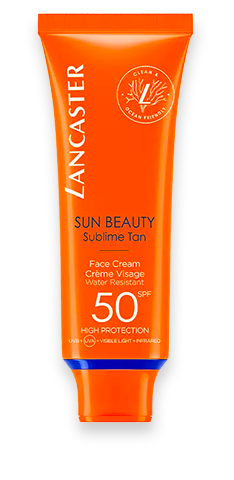
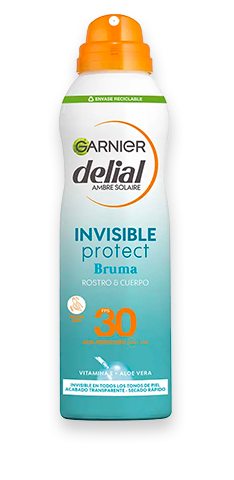
Depending on the texture of the body sunscreen , it will be more suitable for a specific skin type. The texture will determine how easy the product is to apply, how quickly it is absorbed, and the benefits it provides to our skin.
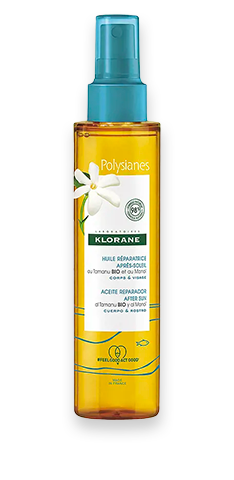
Oils are ideal for skin that needs hydration. The oily texture provides a soft, silky feel that's very pleasant.
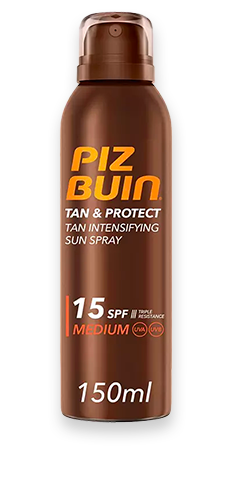
The spray is usually absorbed fairly easily, as its texture is more liquid. It's easy to apply, even on unshaven skin. It's ideal for dry or normal skin and is often used by people who exercise outdoors.
Lotions are ideal for combination or oily skin. They absorb quickly and are recommended for gentle massage.
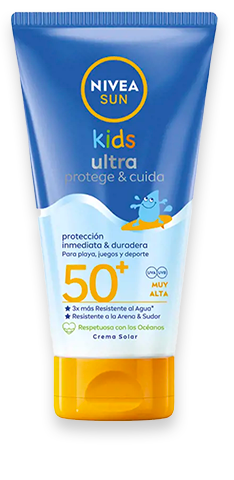
Creams offer a powerful moisturizing effect while protecting. They absorb more slowly than other textures, so you'll need to massage the area for longer. They are recommended for skin that tends to dry out easily.
Active ingredients in body sunscreens
The ingredients in body sunscreens are typically intended to protect our skin from the adverse effects of sun exposure. However, they also include other beneficial active ingredients for skin care. Among other active ingredients, we can find:
Salicylic acid : It has exfoliating properties that help remove dead skin cells and fight dark spots for an even tan. This ingredient is ideal for oily skin.
Hyaluronic acid : we can find it naturally in our skin and it helps retain water in the dermis.
Vitamin C : Prevents the appearance of spots caused by sun exposure. It also helps protect cells and brightens the skin.
Anti- photoaging molecules: Most sunscreens already contain these molecules. They protect our skin from the appearance of wrinkles, dark spots, and loss of firmness caused by ultraviolet rays.
Retinol : is a derivative of vitamin A. Among its functions, it stimulates natural collagen, fights wrinkles and refines pores.
Correctly applying body sunscreen
Before you start applying sunscreen, you should choose the best sunscreen for your skin type. Below, we'll explain the steps to follow to apply sunscreen correctly:
To be protected from sun exposure , we must apply the product about twenty minutes before so that it is fully absorbed.
We must be careful when applying sunscreen to our chest, shoulders, and back. These areas are often exposed to the sun for long periods of time and tend to burn more easily. Our feet and neck are other parts of the body we most often forget to protect.
Sunscreen should be applied periodically, approximately every two hours, to maintain constant protection for our skin.
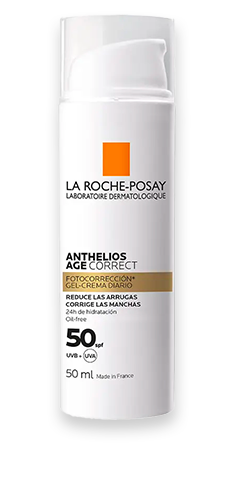
We recommend applying different products for your body and face. Each product has different properties, and it's best to use a specific product for each area of your body.
I shop at Perfumes Club because I think it’s a quality site, with a large stock of cosmetics and beauty products and a unique quality-price ratio.
E
Elena
Fast delivery and great discounts
I started shopping at Perfume’s Club on recommendation and now I’m the one who recommends it because of the great discounts, as well as the speed of delivery and the possibility to buy products with larger capacity and gift sets.
I
INES
Fast delivery, excellent service
In addition to shipping the order quickly, the price of the products is usually more affordable than on other sites

 Vegan
Vegan Best prices
  Viral
Viral Flash
Flash