Delivery in 8-10 daysDelivery in 5-9 daysDelivery in 6-15 daysDelivery in 7-10 daysDelivery in 9-11 daysDelivery in 12-14 daysDelivery in 8-10 daysDelivery in 4-7 days
This has been the selection of products of Hair – Hair Colour that we have proposed to you. If you do not find a product that meets your needs, let us know through our contact form and we will assist you as soon as possible.
Take care of your hair with pharmacy hair care products at the best prices: pharmacy shampoos, conditioners, hair care sets and kits, pharmacy hair treatments, styling products, masks, hair color and bleach, and accessories. Don't hesitate and buy now at your online pharmacy hair care store for the best prices. Everything you need for shiny, smooth, and healthy hair. Take advantage of offers and discounts on the best pharmacy brands.
Hair products from the pharmacy, the best hair care
Hair reflects our emotions and mood, and therefore we must care for it properly, treating it with suitable products tailored to each individual. Furthermore, it's not enough to simply pamper the hair; we must also consider the scalp, perhaps the most photosensitive area of the body, as it's the least exposed to the sun. For this reason, hair care products from pharmacies are a perfect option for maintaining, improving, and prolonging hair health, giving it added vitality, strength, and shine.
The scalp
The scalp is the skin of the body that covers the skull and has a high number of branches and blood vessels, which are responsible for providing the hair fiber with the necessary nutrients to keep it healthy and grow strong and resistant.
Poor diet, lack of sleep, and stress are just some of the causes of weak hair, or worse, no hair growth at all, leading to premature alopecia. Therefore, we must not only care for our hair externally, but also, and perhaps more importantly, care for it internally.
The most common scalp problem is the dreaded and bothersome dandruff . It's a flaking of the skin, usually caused by seborrheic dermatitis. As a result, small white or yellowish flakes cover our scalp, potentially causing itching, irritation, or burning.
Hair products from pharmacies are the healthiest alternative for scalp care, as they generally have gentle, respectful formulas that promote a quick recovery from the problem. To achieve this, we should begin a treatment that includes shampoos , conditioners , and masks to address scalp sensitivity, thereby strengthening, hydrating, and improving its resilience.
The hair
The continuation of the scalp is commonly called hair. Composed mainly of keratin, it is structured into a root and shaft and is responsible for protecting the scalp from external aggressions and maintaining body heat.
As we can see, hair has vital functions for our health, so we must take care of it every day with products specific to each hair type, always maintain good hygiene and provide it with vitamins and nutrients so that it grows strong and healthy.
Aesthetics is another point where hair plays a very important role, since fashions change daily, and each one brings changes in hairstyle, whether it be cut, color or styling.
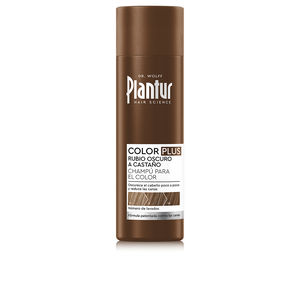
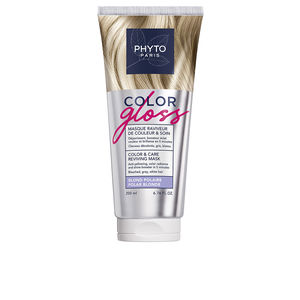
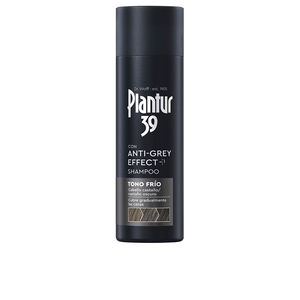
Protecting Hair from Coloring . Hair coloring is a process that changes the hair's tone. There are several types of coloring, each causing varying degrees of damage to the hair's health. Therefore, it's essential to remember to moisturize and nourish color-treated hair, and also use color-protecting products to prevent fading and loss of shine.
Protect your hair from styling tools . Every look requires a different hairstyle, and nowadays there's a wide variety of styling tools to achieve the desired finish. Most of them subject hair to high temperatures, allowing us to style it as we wish. Therefore, we should never forget to apply heat protectant products before using straighteners, blow dryers, or curling irons, and after use, add extra hydration to our hair to enhance its shine and luminosity.
The correct application of hair products
Every cosmetic product must follow usage guidelines and be applied correctly to provide optimal results. Regardless of the product's quality, if it is not applied properly, we will never see any improvement or changes in hair health.
Below are some brief guidelines for establishing a good hair care routine:
The first step is applying shampoo . We should use a product suited to our hair type (curly, straight, frizzy, limp, etc.) and massage it in gently, using circular motions and evenly with both hands. Then we should rinse thoroughly with lukewarm water, as extreme temperatures could damage the hair.
Now it's time for conditioner . This product smooths the hair cuticle and makes detangling easier, preventing breakage and leaving hair silky smooth. For proper use, apply it to damp hair, always focusing on the hair itself, not the scalp. Leave it on for 1 or 2 minutes and rinse thoroughly with lukewarm water.
Finally, enhance your hair with a serum . Finishing treatments help us boost hair's natural qualities, whether it's improving shine, increasing volume, or preventing frizz. To do this, we should choose the product best suited to the quality we want to enhance and apply a small amount to damp hair, or after drying, following the specific instructions for each product.
By following these simple general tips when applying your pharmacy hair products , you'll achieve visible results in a short time and maintain healthy hair. If you need other specific care, such as treatment for dermatitis or to stop hair loss, it's best to see your dermatologist as soon as possible and follow their recommendations to address your specific problem.
I found them online and it is very convenient. They know their brands and they arrive conveniently to your home. In addition, you there are always offers and free shipping over a certain amount
A
assumpta
Correct and fast delivery
I find it convenient and very practical to buy here. They deliver it to my home, and the prices are good.
J
Juan Luis
The reliability of the delivery service and prices
I buy from Perfume’s Club because they have very good prices and deliveries are fast and always on time. So far, I couldn’t have a better opinion of the site

 Vegan
Vegan Best prices
  Viral
Viral Flash
Flash










 (53)
(53)




 (56)
(56)